An iconic mountain with deep roots and living stories
Every cable car journey links natural history, cultural memory, and modern Cape Town life in one extraordinary ascent.
Table of Contents
How Table Mountain was formed
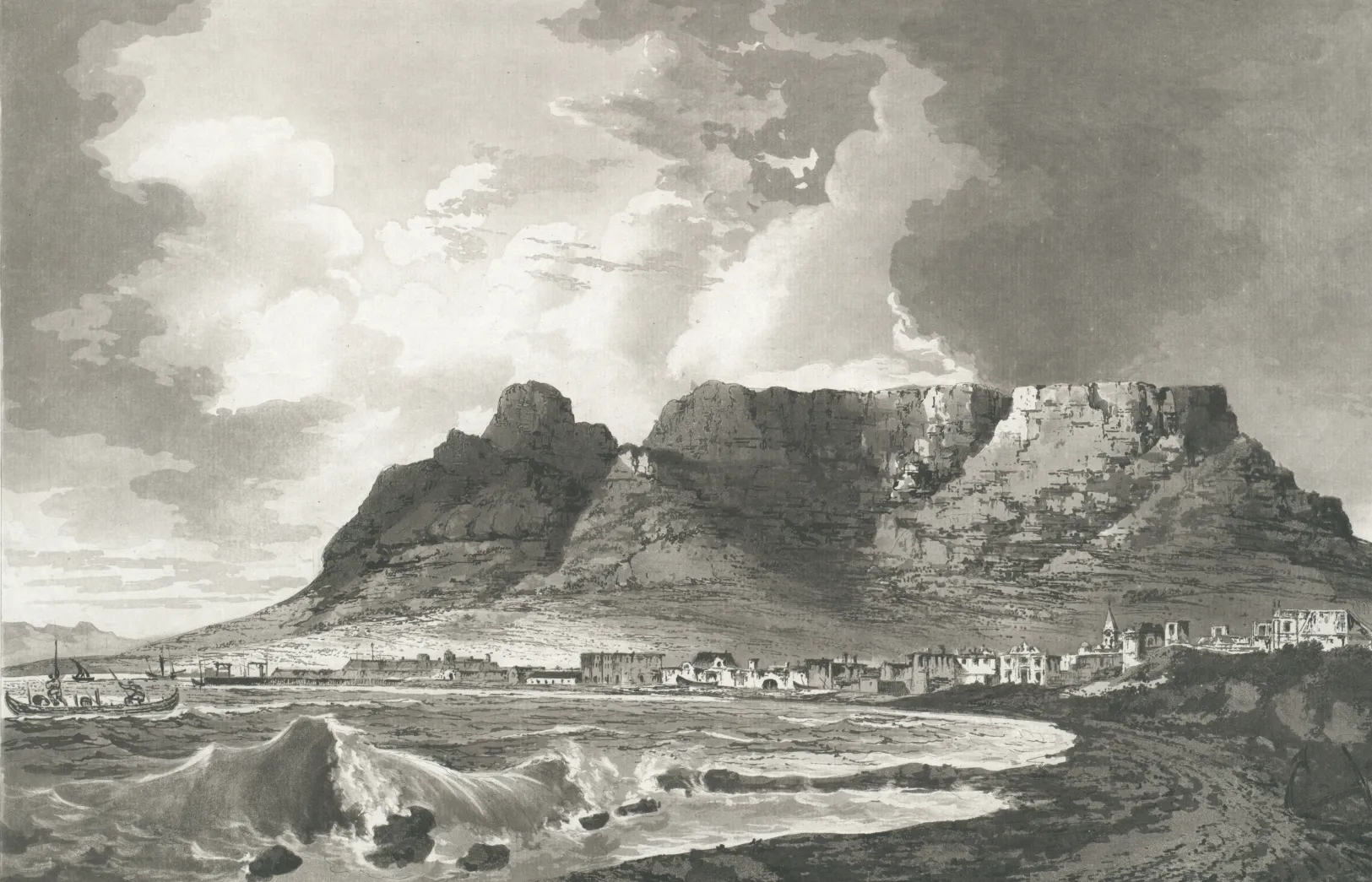
Long before roads, cable stations, and city neighborhoods, Table Mountain was already being shaped by deep geological time. The rocks you stand on at the summit belong to some of the oldest visible formations in the region, with sandstone layers built from ancient sediments and then lifted, folded, and carved by wind and rain over millions of years. Its famous flat profile is not a perfect geometric table but the result of slow erosion and resistant rock that endured while surrounding material wore away. What looks simple from the beach is, in fact, a vast geological archive written in cliffs, ravines, and weathered ridgelines.
That long geological history is one reason the mountain feels timeless. Even as Cape Town expanded below, the summit plateau kept its own rhythm of cloud, sun, and seasonal bloom. Visitors often describe an immediate shift in perspective once they reach the top: city noise fades, horizons widen, and the scale of natural time becomes tangible. In a single view you can sense how human history is comparatively recent, layered onto a landscape that has been in the making for ages.
First peoples and early mountain knowledge
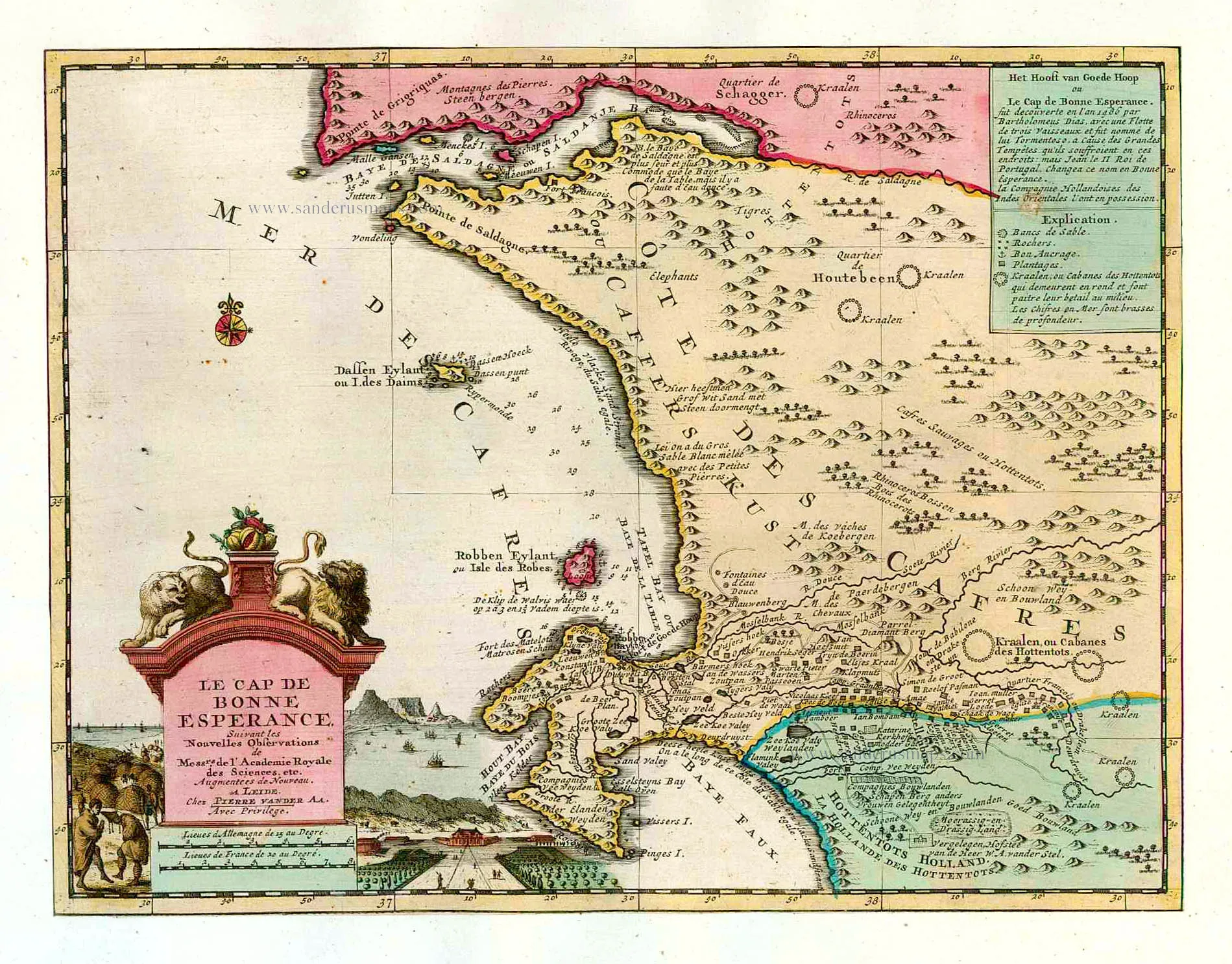
Before colonial settlement, the mountain and surrounding lands were part of lived cultural landscapes known deeply by indigenous communities, including Khoi and San peoples. The slopes were not empty wilderness but places of movement, gathering, plant knowledge, and seasonal awareness. Oral traditions and lived experience passed down practical understanding of weather patterns, routes, and natural resources long before formal maps were drawn.
Remembering this history matters because it broadens how we understand the mountain today. It is not only a viewpoint for visitors, but also part of a much older human relationship with land, climate, and survival. A modern cable car ride can still invite that perspective if we pause, look carefully, and respect that this landscape has meaning far beyond tourism.
Colonial Cape and changing landscapes
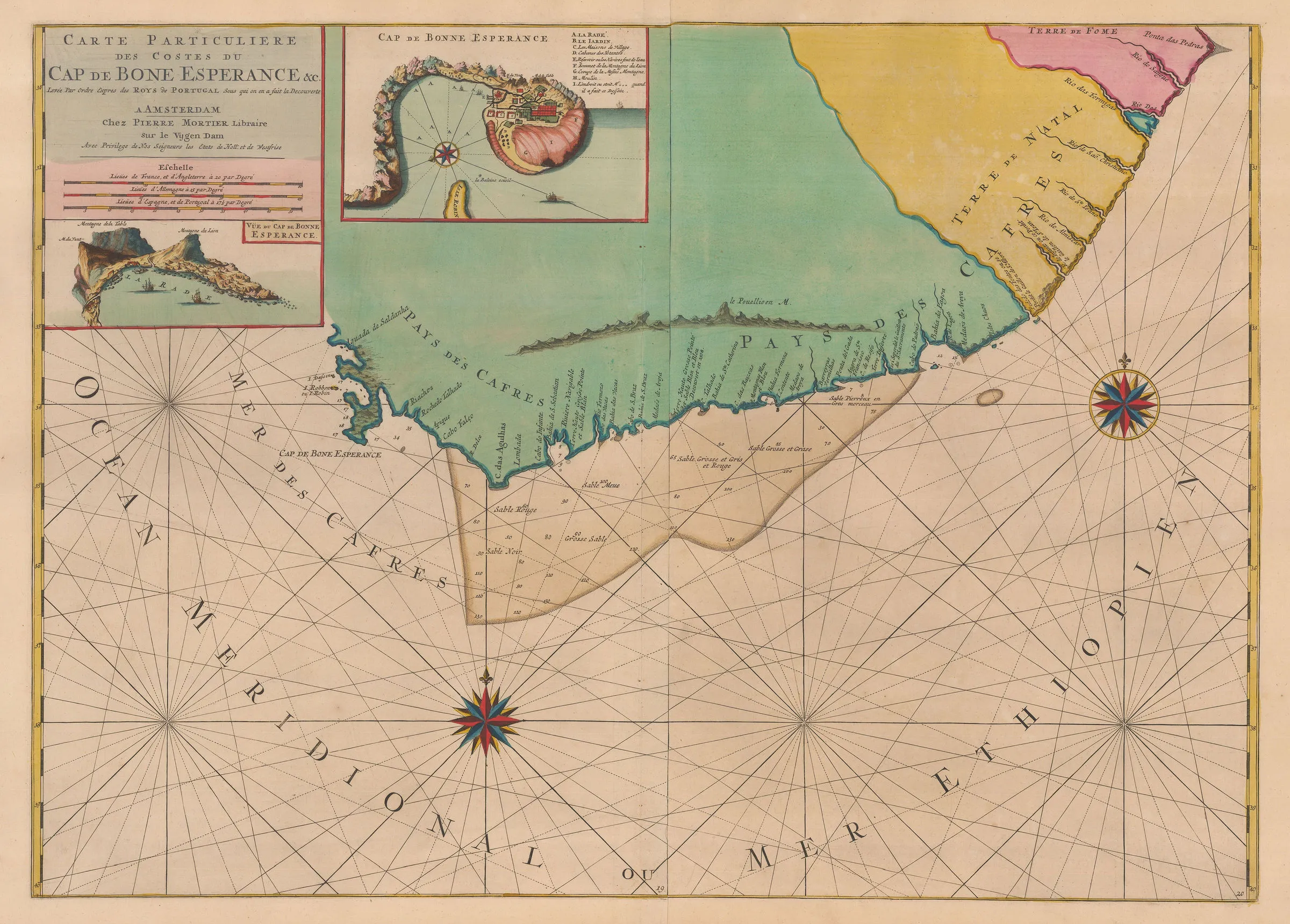
As the Cape grew into a strategic colonial port, Table Mountain became a navigational marker for ships approaching from the Atlantic and Indian Ocean routes. Its silhouette signaled proximity to a crucial resupply point in global maritime networks. Over time, urban growth spread across the lower slopes, roads improved, and public access increased, changing the relationship between the mountain and the city below.
Yet even as commerce and settlement transformed Cape Town, the mountain remained a constant reference point in local identity. Artists painted it, travelers wrote about it, and communities oriented daily life around its weather moods. The famous cloud sheet known as the tablecloth became both meteorological feature and storytelling symbol, reminding residents that nature still sets the terms, no matter how modern the city becomes.
Walking routes and mountain culture
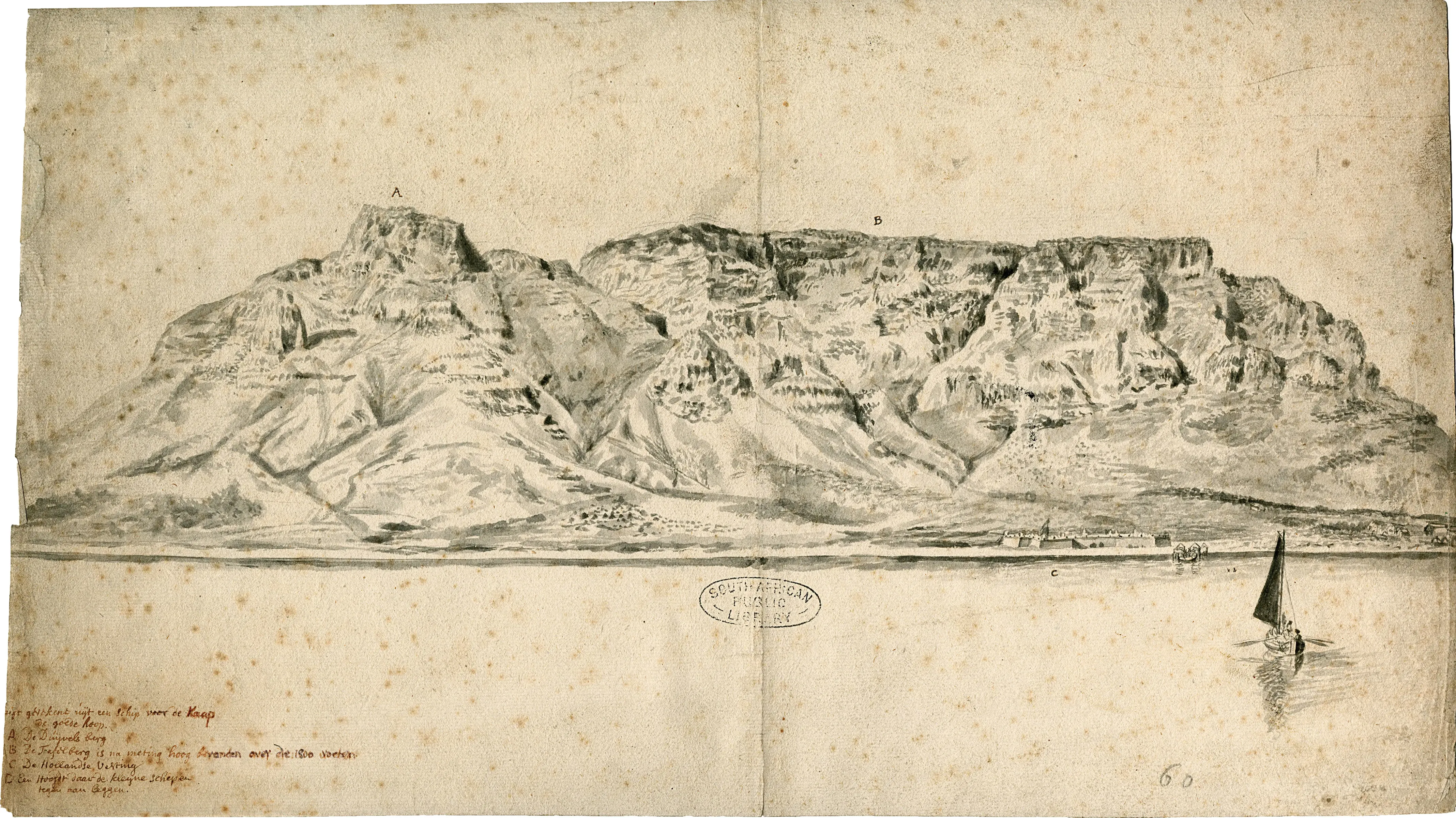
Long before the cableway, people reached the summit by foot through routes that are still used today by experienced hikers. Trails such as Platteklip Gorge became part challenge, part ritual, and part social tradition. For generations, local hikers treated summit days as milestones: first climbs, sunrise starts, weekend group outings, and celebratory views earned by effort.
This hiking culture still lives alongside the cableway experience. Many visitors ascend by cable car and descend on foot, or vice versa, combining convenience with immersion. That blend is part of Table Mountain's charm: it can be adventurous, contemplative, family-friendly, or athletic, depending on how you choose to experience it.
Birth of the Aerial Cableway
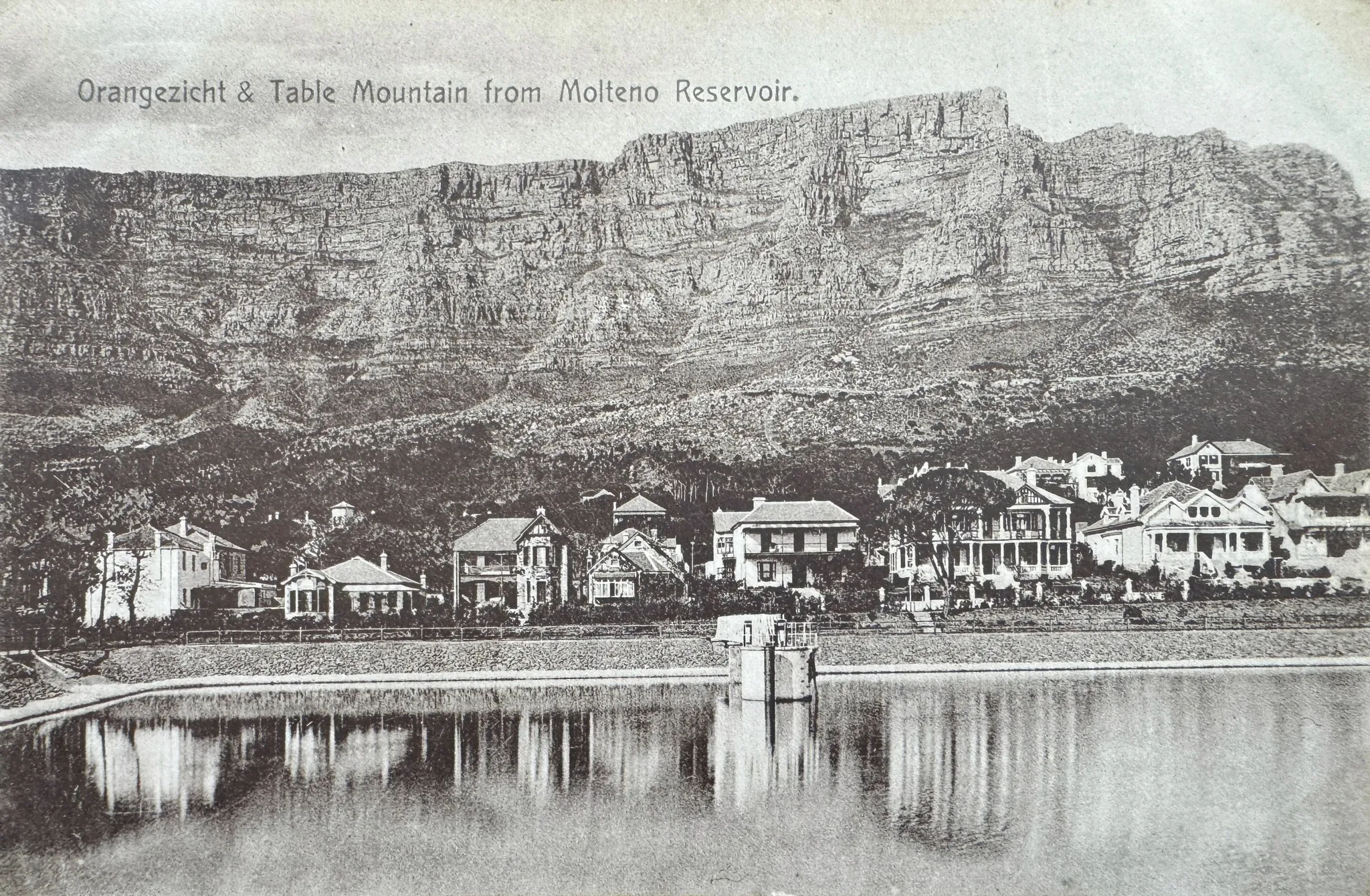
The original Table Mountain cableway was introduced in the early 20th century to open summit access to more people, not only seasoned hikers. It represented an ambitious engineering response to steep terrain and variable weather, connecting city and summit in minutes. For Cape Town, this was transformative: the mountain shifted from distant backdrop to shared civic experience.
From the beginning, the cableway had to balance tourism potential with safety and maintenance realities. Wind, visibility, and mechanical reliability shaped operating routines, while upgrades over the decades improved capacity and comfort. What started as a bold transport idea became one of South Africa's most beloved visitor experiences.
Engineering upgrades and rotating cabins
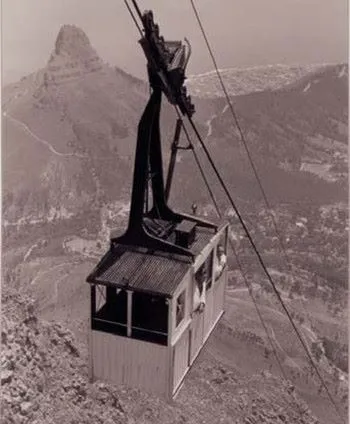
Modernization brought stronger systems, improved station design, and the now-famous rotating cabin concept that gives every passenger panoramic views during ascent and descent. This rotation is subtle but effective: instead of rushing for one side, visitors can relax while the landscape reveals itself in stages.
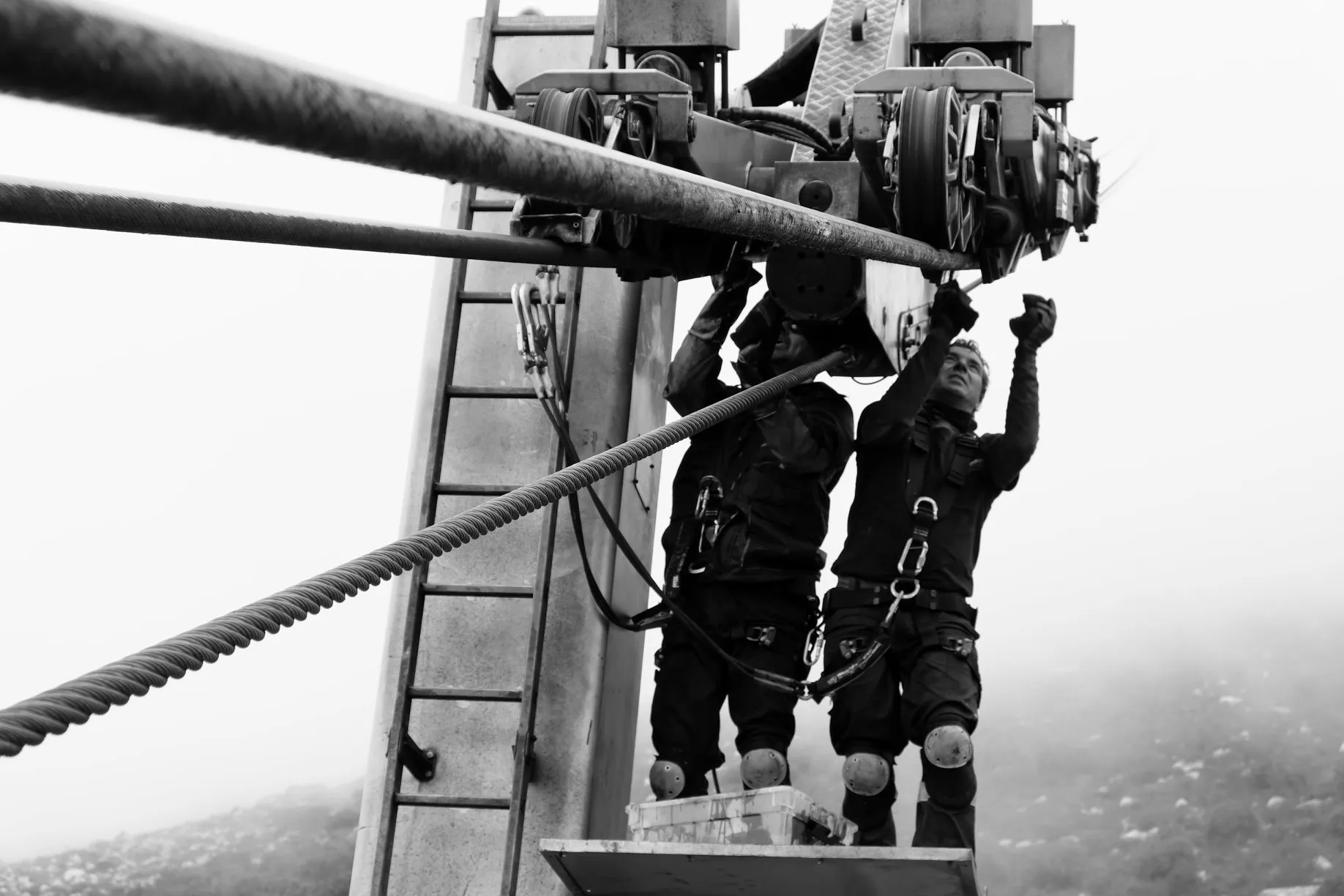
Behind the scenes, operations involve constant technical oversight, weather assessment, and preventive maintenance. The smoothness many passengers feel on board is the visible result of careful engineering discipline. It is a reminder that world-class scenic transport depends as much on planning and safety culture as on dramatic scenery.
Nature conservation on the summit
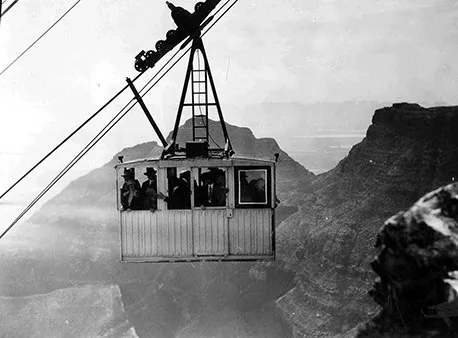
Table Mountain forms part of the Cape Floristic Region, one of the world's most remarkable biodiversity hotspots. The summit and surrounding slopes host unique fynbos species adapted to local soils, fire cycles, and seasonal rains. Some plants found here occur nowhere else on earth.
Conservation efforts focus on habitat protection, invasive species control, fire management, and responsible visitor behavior. Staying on marked paths, avoiding litter, and respecting fragile vegetation are small actions that make a real difference. The cableway brings people to this ecosystem, but long-term care depends on everyone who visits.
Weather, risk and mountain safety
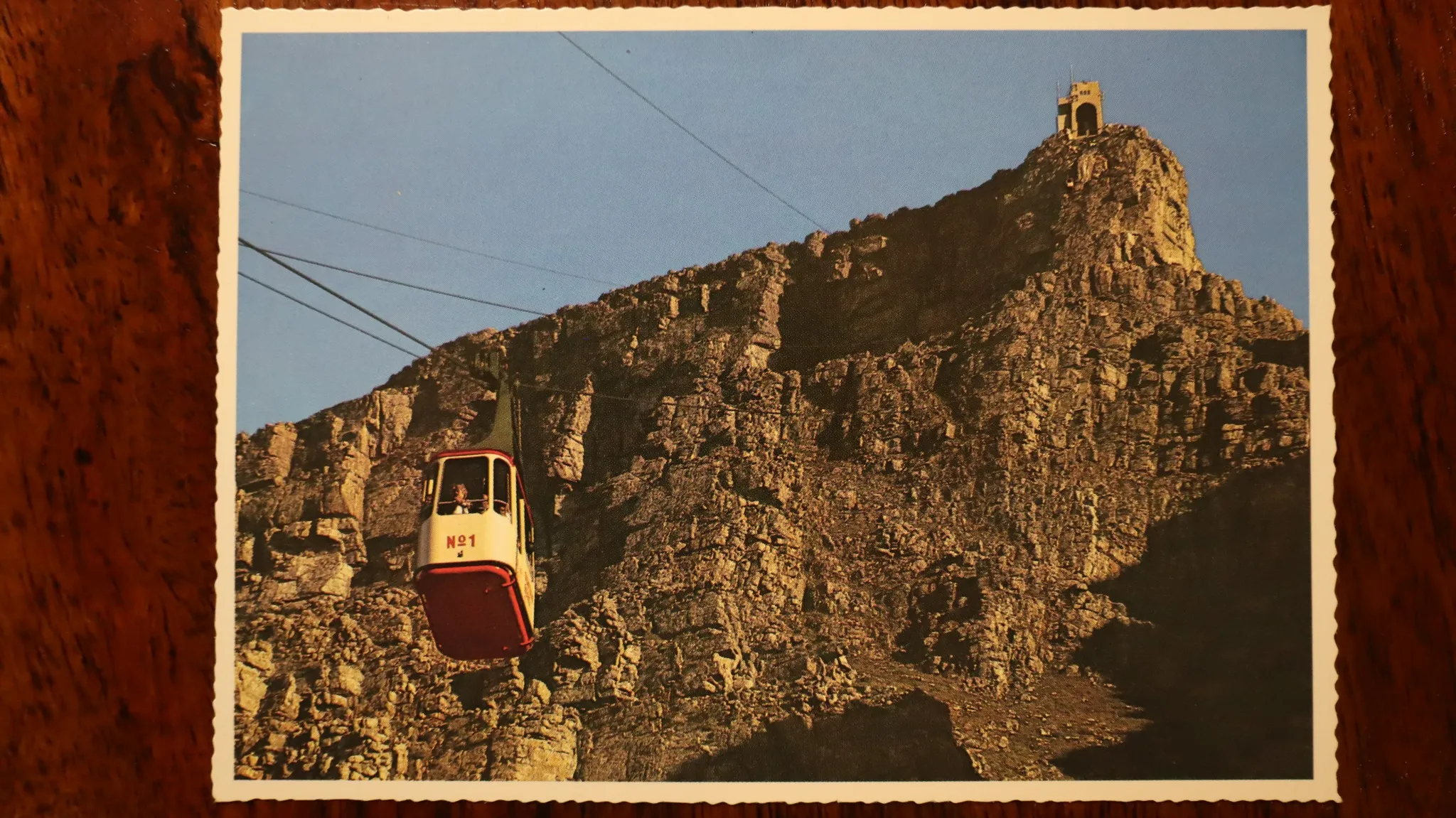
Table Mountain weather can change fast, and that unpredictability is central to both its beauty and its risk profile. Clear sunshine can shift to cloud banks and gusty conditions within a short time window. This is why cableway operations are weather dependent and why same-day checks are essential.
Safety on the mountain is built from simple habits: carry water, wear layers, protect against sun exposure, and avoid unplanned detours on rough terrain. If you hike, inform someone of your route and timing. If you use the cableway, plan descent with time to spare. Respecting conditions is part of enjoying the mountain responsibly.
Table Mountain in Cape Town identity
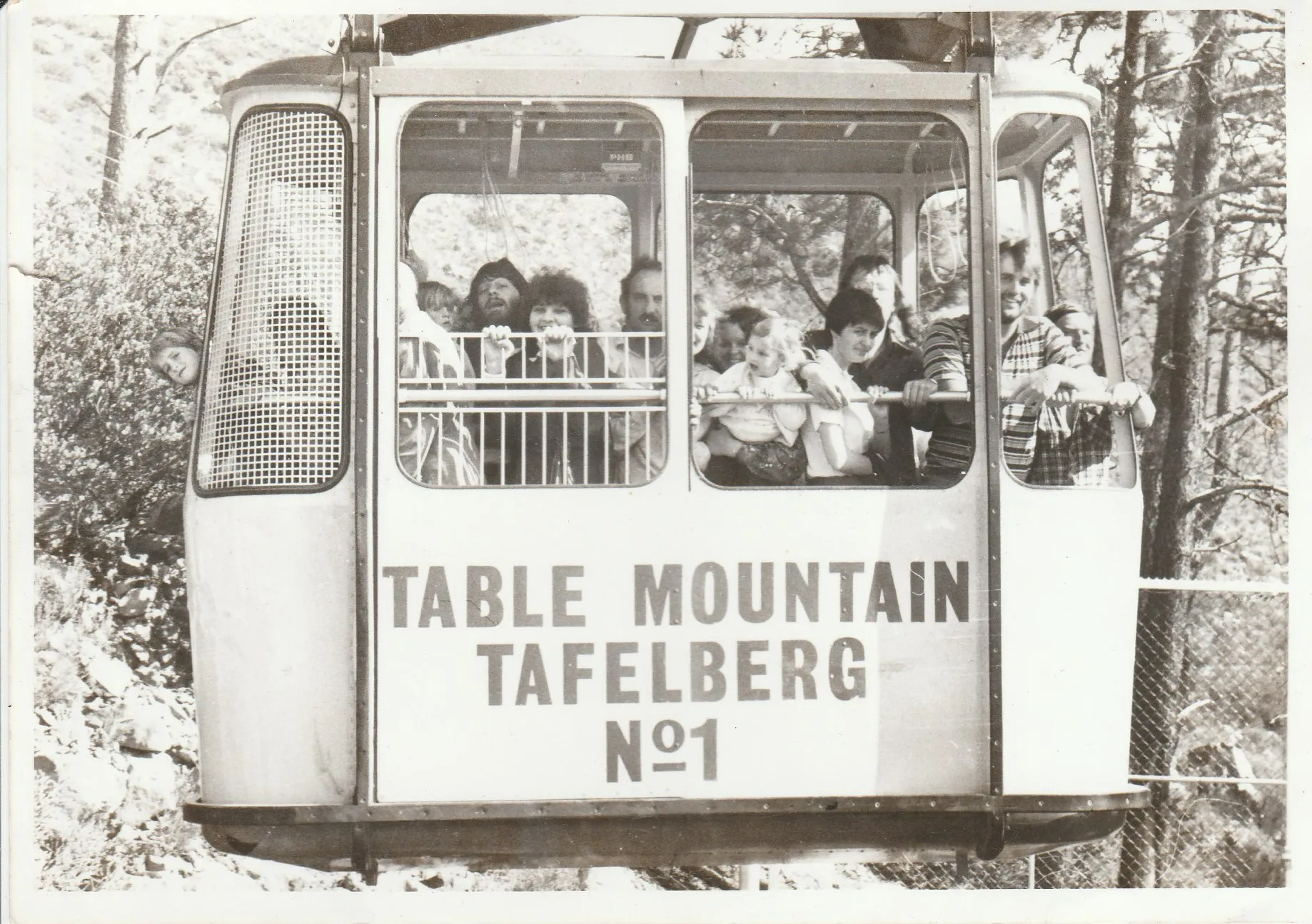
For locals, Table Mountain is more than a sightseeing stop: it is a daily presence that shapes orientation, weather talk, photography, sports culture, and civic pride. People check the cloud cover from neighborhoods across the city, decide weekend plans around summit conditions, and gather for sunset moments that feel both ordinary and special.
For visitors, this emotional connection becomes clear quickly. The mountain appears from beaches, streets, vineyards, and harbor viewpoints, tying the city together visually. Riding the cable car is not just about ticking an attraction; it is often the moment travelers understand Cape Town as a place where nature and urban life are inseparable.
Planning modern visits with care
A successful visit usually comes down to timing and flexibility. Book tickets in advance when possible, monitor live weather and operating alerts, and keep backup activities in your schedule in case conditions change. Morning slots can offer cleaner air and shorter lines, while later visits may deliver warm light for photography.
It also helps to think beyond the ride itself. Plan summit time for short walks, viewpoints, and rest breaks rather than rushing up and down. Combining practical prep with a relaxed mindset turns the experience from a quick check-in into a meaningful part of your Cape Town trip.
Sustainability and visitor responsibility
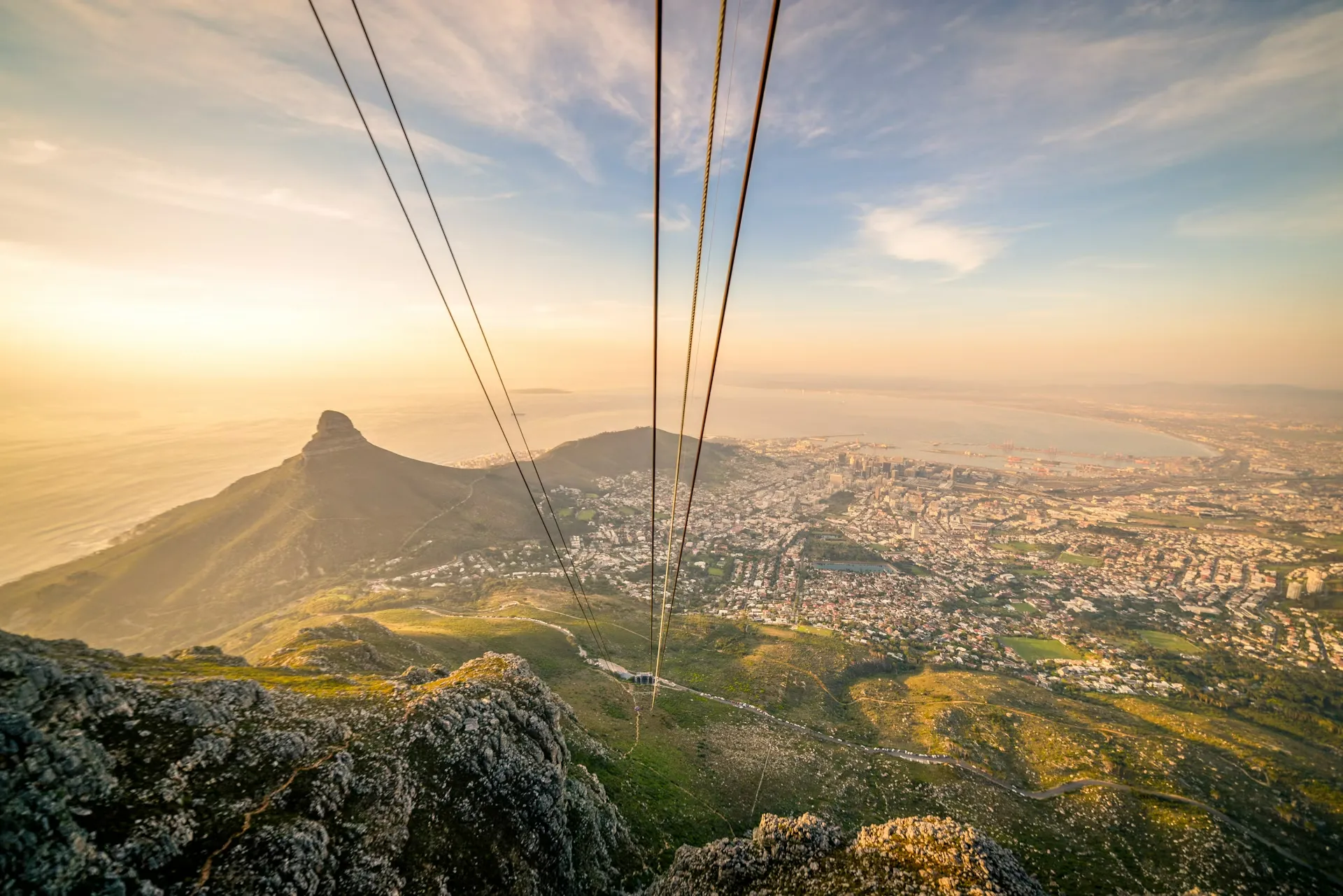
As visitor numbers grow, sustainability becomes increasingly important. Transport choices, waste habits, and trail behavior all affect the mountain environment. Using shared transport where possible, minimizing single-use plastics, and following station guidance are practical ways to reduce impact.
Responsible travel also includes cultural respect. Learn a little local context, support ethical operators, and treat the summit as a living landscape rather than a disposable backdrop. Small, mindful actions by many visitors help protect the place for future generations.
Nearby highlights after your ride
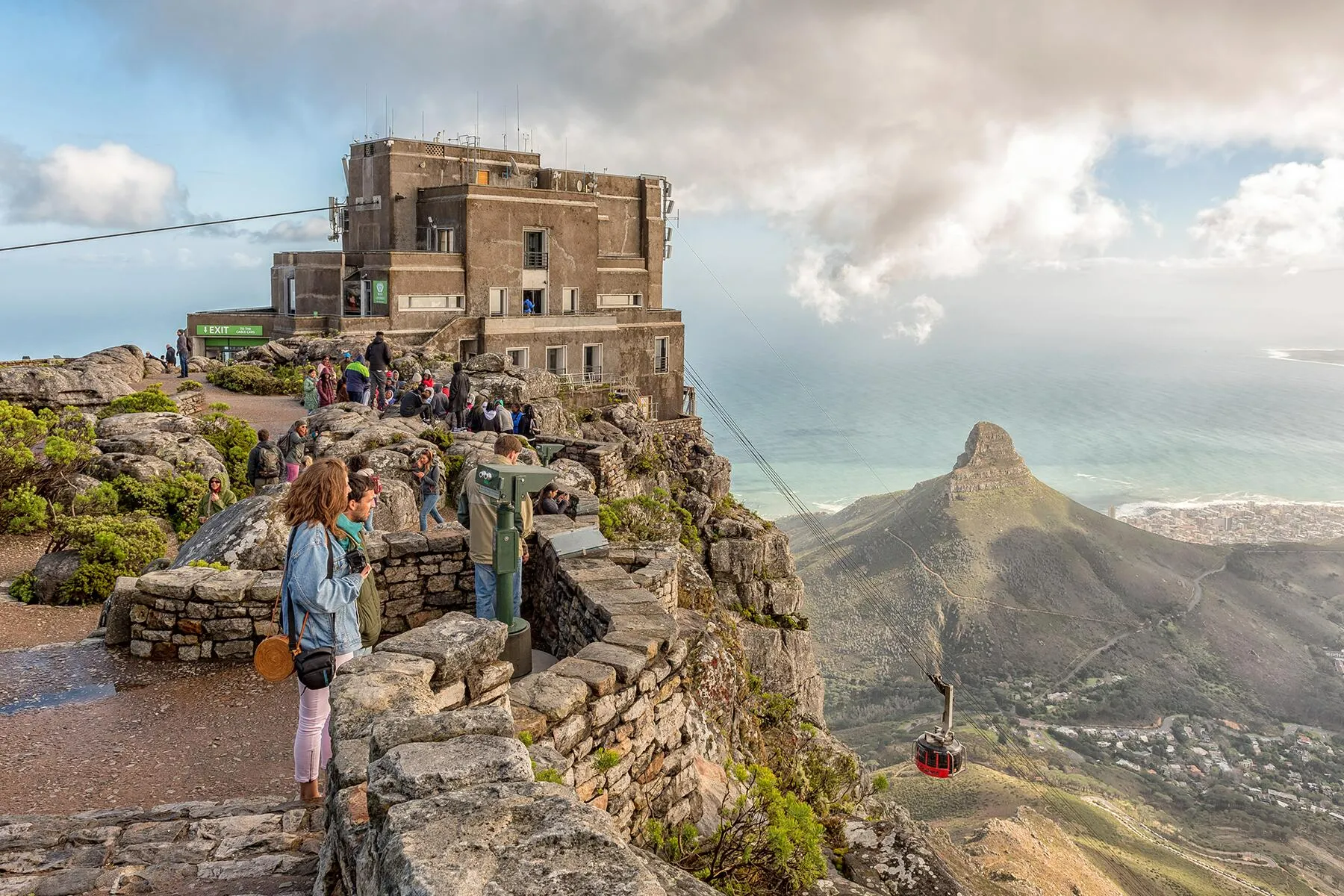
After descending, many visitors continue to nearby highlights such as Camps Bay's beachfront, Kloof Street cafes, the Company's Garden district, or sunset points along Signal Hill. Because Table Mountain sits so close to the urban core, it pairs naturally with museums, food spots, and coastal drives in the same day.
If you prefer a slower pace, simply spend more time around the lower station viewpoints and mountain roads, especially when late light turns the cliffs warm amber. The beauty of this attraction is flexibility: your day can be high-energy and packed, or quiet and contemplative.
Why this mountain leaves a lasting impression
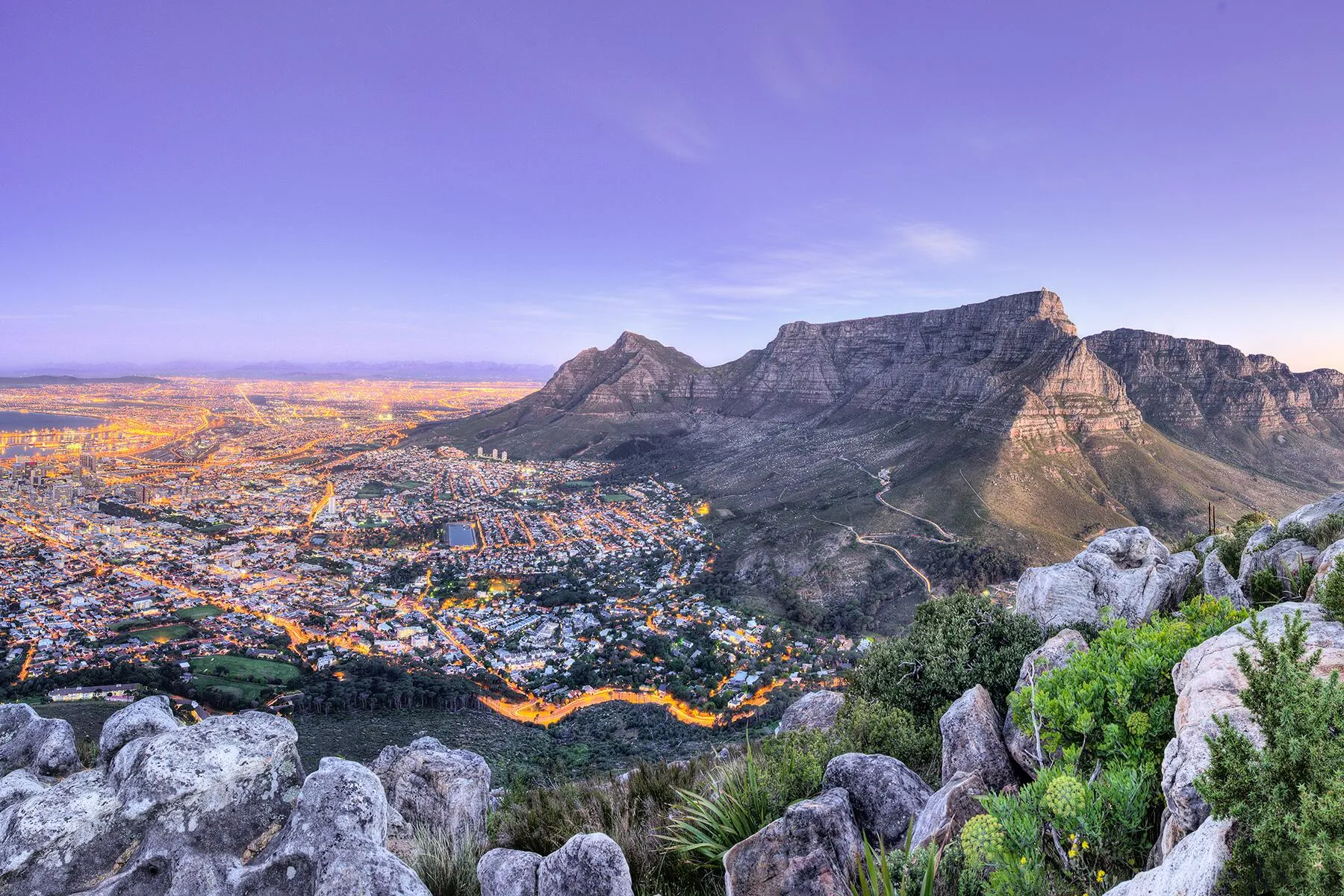
Many famous viewpoints are impressive for a moment. Table Mountain often goes further by changing how you read the city beneath it. From the summit, roads, neighborhoods, beaches, and harbor lines form a coherent story: a place shaped by geography, migration, weather, and sea routes.
That is why people remember this visit so vividly. The cableway makes access easy, but what stays with you is the layered feeling of scale and connection: mountain to ocean, history to present, wild landscape to daily life. You step back down into the city carrying a broader perspective than the one you brought up.
Table of Contents
How Table Mountain was formed
Long before roads, cable stations, and city neighborhoods, Table Mountain was already being shaped by deep geological time. The rocks you stand on at the summit belong to some of the oldest visible formations in the region, with sandstone layers built from ancient sediments and then lifted, folded, and carved by wind and rain over millions of years. Its famous flat profile is not a perfect geometric table but the result of slow erosion and resistant rock that endured while surrounding material wore away. What looks simple from the beach is, in fact, a vast geological archive written in cliffs, ravines, and weathered ridgelines.
That long geological history is one reason the mountain feels timeless. Even as Cape Town expanded below, the summit plateau kept its own rhythm of cloud, sun, and seasonal bloom. Visitors often describe an immediate shift in perspective once they reach the top: city noise fades, horizons widen, and the scale of natural time becomes tangible. In a single view you can sense how human history is comparatively recent, layered onto a landscape that has been in the making for ages.
First peoples and early mountain knowledge
Before colonial settlement, the mountain and surrounding lands were part of lived cultural landscapes known deeply by indigenous communities, including Khoi and San peoples. The slopes were not empty wilderness but places of movement, gathering, plant knowledge, and seasonal awareness. Oral traditions and lived experience passed down practical understanding of weather patterns, routes, and natural resources long before formal maps were drawn.
Remembering this history matters because it broadens how we understand the mountain today. It is not only a viewpoint for visitors, but also part of a much older human relationship with land, climate, and survival. A modern cable car ride can still invite that perspective if we pause, look carefully, and respect that this landscape has meaning far beyond tourism.
Colonial Cape and changing landscapes
As the Cape grew into a strategic colonial port, Table Mountain became a navigational marker for ships approaching from the Atlantic and Indian Ocean routes. Its silhouette signaled proximity to a crucial resupply point in global maritime networks. Over time, urban growth spread across the lower slopes, roads improved, and public access increased, changing the relationship between the mountain and the city below.
Yet even as commerce and settlement transformed Cape Town, the mountain remained a constant reference point in local identity. Artists painted it, travelers wrote about it, and communities oriented daily life around its weather moods. The famous cloud sheet known as the tablecloth became both meteorological feature and storytelling symbol, reminding residents that nature still sets the terms, no matter how modern the city becomes.
Walking routes and mountain culture
Long before the cableway, people reached the summit by foot through routes that are still used today by experienced hikers. Trails such as Platteklip Gorge became part challenge, part ritual, and part social tradition. For generations, local hikers treated summit days as milestones: first climbs, sunrise starts, weekend group outings, and celebratory views earned by effort.
This hiking culture still lives alongside the cableway experience. Many visitors ascend by cable car and descend on foot, or vice versa, combining convenience with immersion. That blend is part of Table Mountain's charm: it can be adventurous, contemplative, family-friendly, or athletic, depending on how you choose to experience it.
Birth of the Aerial Cableway
The original Table Mountain cableway was introduced in the early 20th century to open summit access to more people, not only seasoned hikers. It represented an ambitious engineering response to steep terrain and variable weather, connecting city and summit in minutes. For Cape Town, this was transformative: the mountain shifted from distant backdrop to shared civic experience.
From the beginning, the cableway had to balance tourism potential with safety and maintenance realities. Wind, visibility, and mechanical reliability shaped operating routines, while upgrades over the decades improved capacity and comfort. What started as a bold transport idea became one of South Africa's most beloved visitor experiences.
Engineering upgrades and rotating cabins
Modernization brought stronger systems, improved station design, and the now-famous rotating cabin concept that gives every passenger panoramic views during ascent and descent. This rotation is subtle but effective: instead of rushing for one side, visitors can relax while the landscape reveals itself in stages.
Behind the scenes, operations involve constant technical oversight, weather assessment, and preventive maintenance. The smoothness many passengers feel on board is the visible result of careful engineering discipline. It is a reminder that world-class scenic transport depends as much on planning and safety culture as on dramatic scenery.
Nature conservation on the summit
Table Mountain forms part of the Cape Floristic Region, one of the world's most remarkable biodiversity hotspots. The summit and surrounding slopes host unique fynbos species adapted to local soils, fire cycles, and seasonal rains. Some plants found here occur nowhere else on earth.
Conservation efforts focus on habitat protection, invasive species control, fire management, and responsible visitor behavior. Staying on marked paths, avoiding litter, and respecting fragile vegetation are small actions that make a real difference. The cableway brings people to this ecosystem, but long-term care depends on everyone who visits.
Weather, risk and mountain safety
Table Mountain weather can change fast, and that unpredictability is central to both its beauty and its risk profile. Clear sunshine can shift to cloud banks and gusty conditions within a short time window. This is why cableway operations are weather dependent and why same-day checks are essential.
Safety on the mountain is built from simple habits: carry water, wear layers, protect against sun exposure, and avoid unplanned detours on rough terrain. If you hike, inform someone of your route and timing. If you use the cableway, plan descent with time to spare. Respecting conditions is part of enjoying the mountain responsibly.
Table Mountain in Cape Town identity
For locals, Table Mountain is more than a sightseeing stop: it is a daily presence that shapes orientation, weather talk, photography, sports culture, and civic pride. People check the cloud cover from neighborhoods across the city, decide weekend plans around summit conditions, and gather for sunset moments that feel both ordinary and special.
For visitors, this emotional connection becomes clear quickly. The mountain appears from beaches, streets, vineyards, and harbor viewpoints, tying the city together visually. Riding the cable car is not just about ticking an attraction; it is often the moment travelers understand Cape Town as a place where nature and urban life are inseparable.
Planning modern visits with care
A successful visit usually comes down to timing and flexibility. Book tickets in advance when possible, monitor live weather and operating alerts, and keep backup activities in your schedule in case conditions change. Morning slots can offer cleaner air and shorter lines, while later visits may deliver warm light for photography.
It also helps to think beyond the ride itself. Plan summit time for short walks, viewpoints, and rest breaks rather than rushing up and down. Combining practical prep with a relaxed mindset turns the experience from a quick check-in into a meaningful part of your Cape Town trip.
Sustainability and visitor responsibility
As visitor numbers grow, sustainability becomes increasingly important. Transport choices, waste habits, and trail behavior all affect the mountain environment. Using shared transport where possible, minimizing single-use plastics, and following station guidance are practical ways to reduce impact.
Responsible travel also includes cultural respect. Learn a little local context, support ethical operators, and treat the summit as a living landscape rather than a disposable backdrop. Small, mindful actions by many visitors help protect the place for future generations.
Nearby highlights after your ride
After descending, many visitors continue to nearby highlights such as Camps Bay's beachfront, Kloof Street cafes, the Company's Garden district, or sunset points along Signal Hill. Because Table Mountain sits so close to the urban core, it pairs naturally with museums, food spots, and coastal drives in the same day.
If you prefer a slower pace, simply spend more time around the lower station viewpoints and mountain roads, especially when late light turns the cliffs warm amber. The beauty of this attraction is flexibility: your day can be high-energy and packed, or quiet and contemplative.
Why this mountain leaves a lasting impression
Many famous viewpoints are impressive for a moment. Table Mountain often goes further by changing how you read the city beneath it. From the summit, roads, neighborhoods, beaches, and harbor lines form a coherent story: a place shaped by geography, migration, weather, and sea routes.
That is why people remember this visit so vividly. The cableway makes access easy, but what stays with you is the layered feeling of scale and connection: mountain to ocean, history to present, wild landscape to daily life. You step back down into the city carrying a broader perspective than the one you brought up.